


 Written by admin
The World Economic Forum just dropped a concerning report about cybersecurity in 2026.
Their Global Cybersecurity Outlook reveals that cyber-enabled fraud has surpassed ransomware as the top concern for business leaders worldwide. The numbers paint a troubling picture for anyone who uses the internet.
Analysis of the AI Incident Database uncovered alarming trends. Out of 132 AI fraud cases recorded last year, 107 involved deepfakes. That means 81% of all AI-related fraud used fake voice, video, or image impersonation to trick victims.
Real people are losing real money. A Florida woman handed over $15,000 after scammers cloned her daughter’s voice. A British widow lost £500,000 in a romance scam featuring someone pretending to be actor Jason Momoa. These attacks work because the fakes look and sound completely authentic.
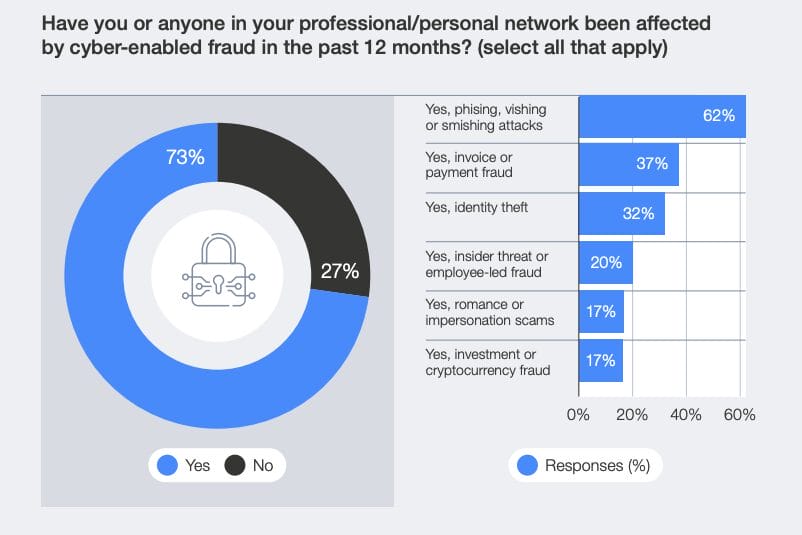
The WEF survey asked professionals if they had been affected by cyber fraud in the past 12 months. A stunning 73% said yes.
Phishing, vishing, and smishing attacks topped the list at 62%. Invoice and payment fraud hit 37% of respondents, while identity theft affected 32%. Romance and impersonation scams, like the deepfake examples above impacted 17% of those surveyed.
Security researchers at Trellix spotted a surge in Facebook credential-theft campaigns using “Browser-in-the-Browser” (BitB) techniques. This method creates fake login pop-ups that appear legitimate, even displaying what looks like a real Facebook URL.
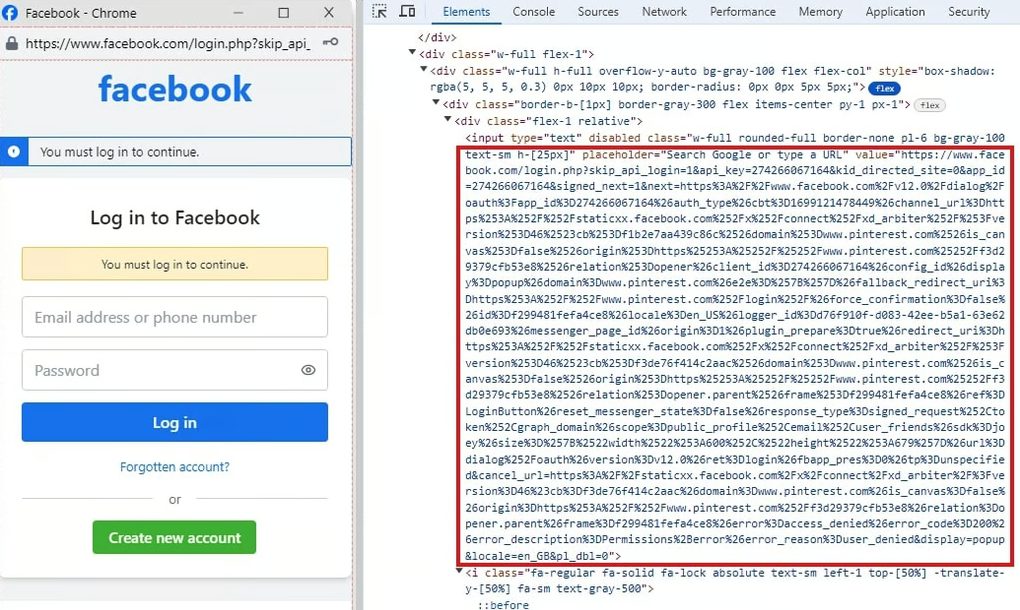
These attacks often start with polished emails posing as legal notices from Meta. Victims click through shortened links and fake CAPTCHA pages before landing on the phishing trap. Criminals now host these pages on trusted cloud platforms like Netlify, making detection much harder.
Check Point Research identified “VoidLink,” a malware platform largely generated by artificial intelligence. The security firm found unusual code patterns that don’t match typical human programming styles.
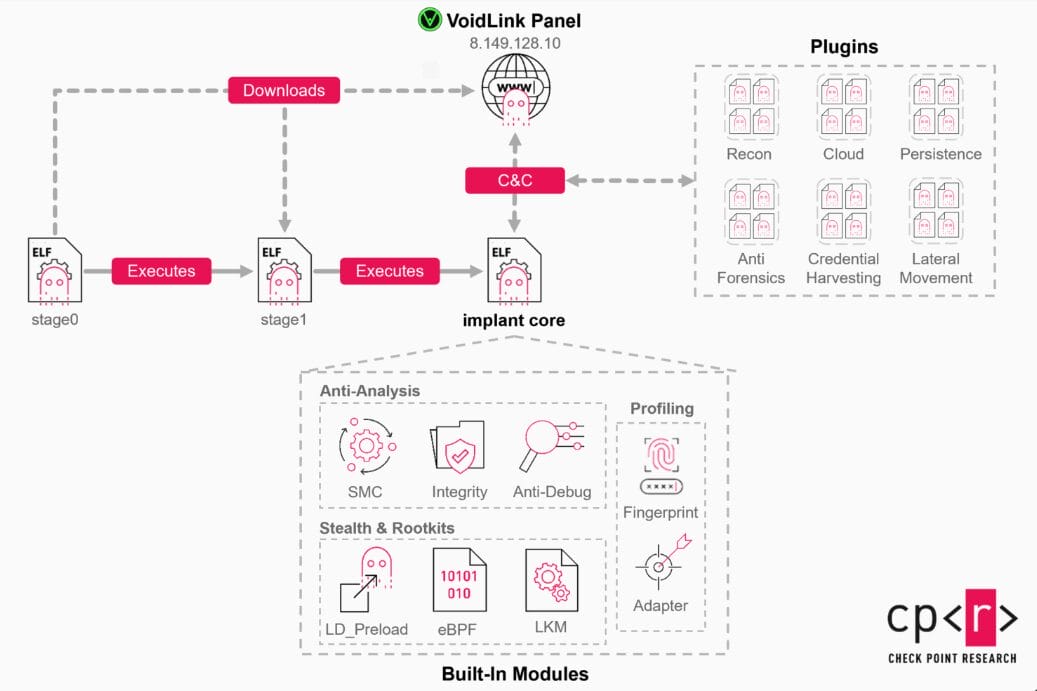
This discovery matters because AI can compress malware development from months into just days. Hackers no longer need advanced coding skills to create dangerous software.
Here are practical steps to avoid becoming a victim:
The WEF report found that 73% of respondents were personally affected by cyber-enabled fraud in 2025. Business leaders now rank fraud and phishing above ransomware as their primary worry.
For cord-cutters and general tech users, staying aware of these threats matters just as much as protecting your devices with proper security tools. The hackers are getting smarter, so we need to stay one step ahead.
For more details on this story, refer to the World Economic Forum’s Global Cybersecurity Outlook 2026 (PDF).
We want to know your thoughts. What do you think about this story? Let us know in the comment section below!
Be sure to stay up-to-date with the latest streaming news, reviews, tips, and more by following the TROYPOINT Advisor with updates weekly.
This page includes affiliate links where TROYPOINT may receive a commission at no extra cost to you. Many times, visitors will receive a discount due to the special arrangements made for our fans. Learn more on my Affiliate Disclaimer page.



© IPTVSub is Proudly Owned by win-design