


 Written by admin
A 44-year-old man received a seven-year prison sentence after stealing personal data from airline passengers using fake WiFi networks.
The Perth District Court handed down the sentence on November 28, 2025, though he’ll be eligible for parole after five years.
The man used a portable wireless device called a WiFi Pineapple to create what cybersecurity experts call “evil twin” networks. These fake networks copied the names of legitimate WiFi hotspots that devices recognize as trusted.
When passengers’ phones or laptops detected these familiar network names, they connected automatically. The fake network then directed users to a login page requesting email or social media credentials.
Once victims entered their information, the man captured it all, but the connection never actually provided internet access.
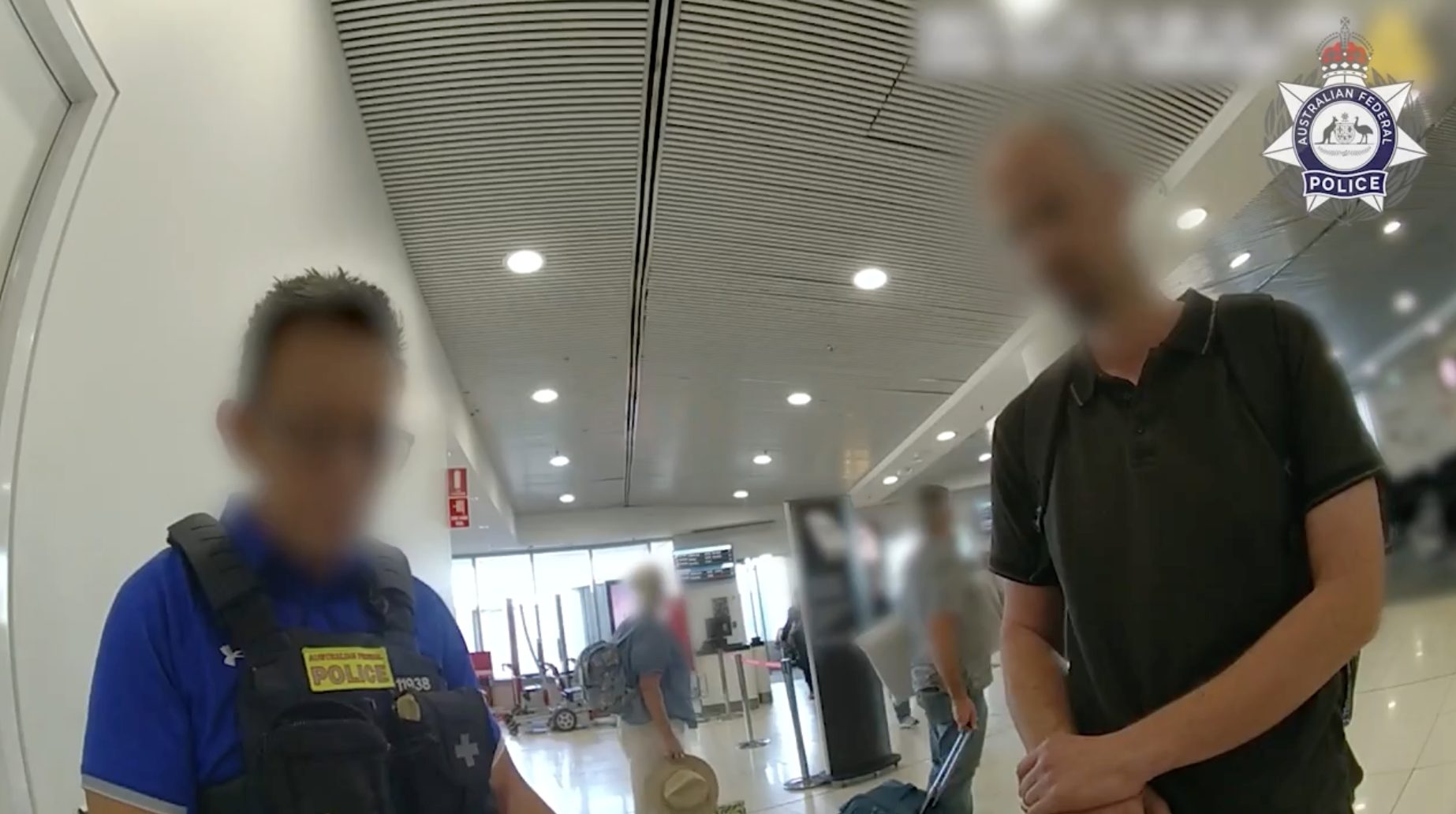
Australian Federal Police launched their investigation in April 2024 after airline employees spotted the suspicious network during a domestic flight.
Officers searched the man’s luggage at Perth Airport, seizing his laptop, phone, and wireless device.
Forensic analysis uncovered thousands of stolen intimate images and videos, login credentials, and records showing he’d run this scheme at airports in Perth, Melbourne, and Adelaide.
The man attempted to cover his tracks by deleting 1,752 items from his cloud storage and trying to remotely wipe his phone. He even hacked his employer’s laptop to monitor AFP meetings about the investigation.
Police also discovered he’d broken into multiple women’s social media accounts to steal private photos and monitor their communications.

AFP Commanders warn travelers to stay alert when using public networks, especially at airports. Never connect to networks requesting personal login information like email or social media accounts.
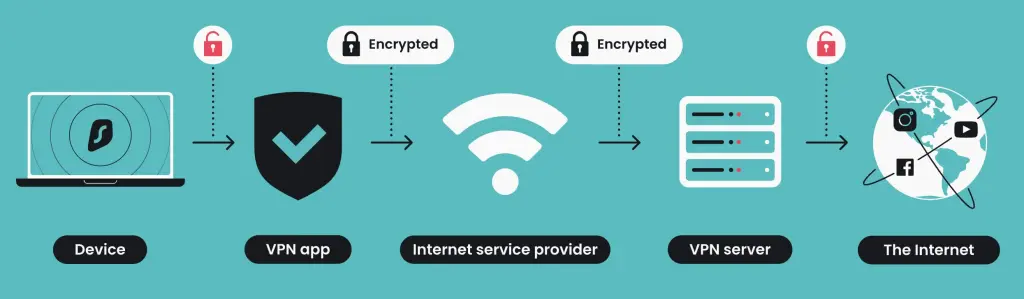
If you must use public WiFi, install a reputable VPN to encrypt your data. Turn off file sharing, avoid banking apps, and set devices to “forget” the network after disconnecting.
Better yet, disable WiFi completely when walking through airports to prevent automatic connections. Change common passwords to unique passphrases for each account, use a password manager, and keep all software updated.
This case shows how easy it is for criminals to exploit public WiFi in crowded places like airports. The technology required costs less than $100 and works silently in the background.
Travelers should assume all public networks are compromised and take proper security measures. Free, public WiFi almost always comes with security risks.
For more details on this story, refer to the official press release from Australian Police and the report from Cybernews.
We want to know your thoughts. What do you think about this story? Let us know in the comment section below!
Be sure to stay up-to-date with the latest streaming news, reviews, tips, and more by following the TROYPOINT Advisor with updates weekly.
Your online activity is monitored by your ISP, app/addon/IPTV devs, government, and all websites.
🔒 Become anonymous while streaming & downloading with Surfshark VPN
Save 87% with 24-Month Plan + Get 3 FREE Months
Use on Unlimited Devices & Share 1 Account with Entire Family
CLAIM DEAL HERE
This page includes affiliate links where TROYPOINT may receive a commission at no extra cost to you. Many times, visitors will receive a discount due to the special arrangements made for our fans. Learn more on my Affiliate Disclaimer page.




© IPTVSub is Proudly Owned by win-design