


 Written by admin
Lawmakers in Wisconsin are pushing legislation that would ban VPN usage when accessing certain websites. The bill represent a dramatic escalation in age verification laws spreading across the country.
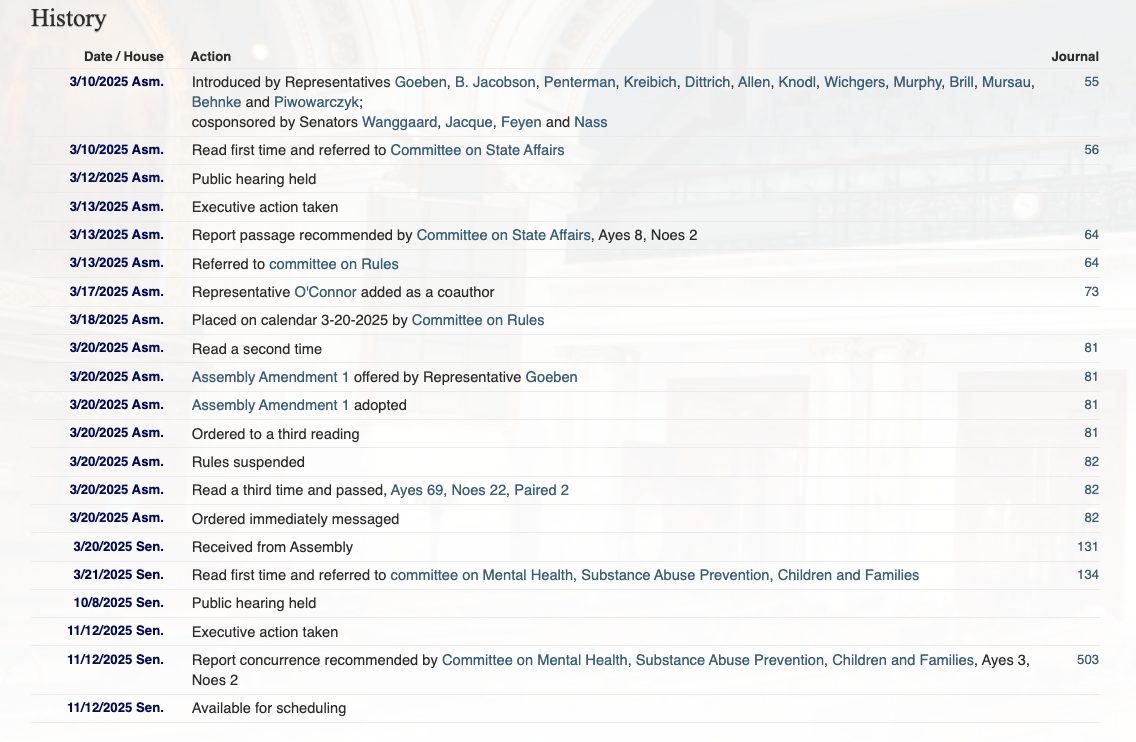
Wisconsin’s A.B. 105/S.B. 130 requires websites hosting sexual content to implement age verification systems and block users connected through VPNs. The bill passed the State Assembly and is moving through the Senate.
If adopted, Wisconsin would become the first US state where using a VPN to access certain online material is forbidden. Michigan has proposed similar legislation that would force internet service providers to actively monitor and block VPN connections.
The Electronic Frontier Foundation (EFF) argues these bills are fundamentally flawed. VPNs work by routing internet traffic through servers in different locations, masking a user’s real location. Websites cannot determine whether a VPN connection originates from Wisconsin or Mumbai.
This technical reality forces websites into an impossible choice: cease operating in Wisconsin or block all VPN users everywhere to avoid legal liability.
These proposed bans would impact far more than their intended targets.
Blocking VPNs forces everyone to verify their age by submitting government IDs or biometric data directly to websites. Companies get hacked and data gets breached. Suddenly your real name connects to websites you visited, stored in poorly-secured databases.
“Forcing people to give up their privacy to access legal content is the exact opposite of good policy,” the EFF states. “It’s surveillance dressed up as safety.”
Even if these bills pass, people will find workarounds within hours. They’ll use non-commercial VPNs, open proxies, or cheap virtual private servers. You can route traffic through cloud services or tunnel through someone else’s home internet connection.
Meanwhile, businesses, students, journalists, and regular people wanting privacy will have their VPN access impacted. In Europe, France, Italy, and the United Kingdom implemented age verification requirements but haven’t suggested blocking VPNs.
These proposed VPN bans represent dangerous attacks on digital privacy dressed up as child protection measures.
When lawmakers target privacy tools, we enter dangerous territory with serious invasions of user privacy. We’ve seen VPN demand skyrocket in the UK over similar restrictions – expect the same pattern here.
For more information on this story refer to the official Wisconsin Bill details and the article from the EFF.
We want to know your thoughts. What do you think about this story? Let us know in the comment section below!
Be sure to stay up-to-date with the latest streaming news, reviews, tips, and more by following the TROYPOINT Advisor with updates weekly.
This page includes affiliate links where TROYPOINT may receive a commission at no extra cost to you. Many times, visitors will receive a discount due to the special arrangements made for our fans. Learn more on my Affiliate Disclaimer page.




© IPTVSub is Proudly Owned by win-design